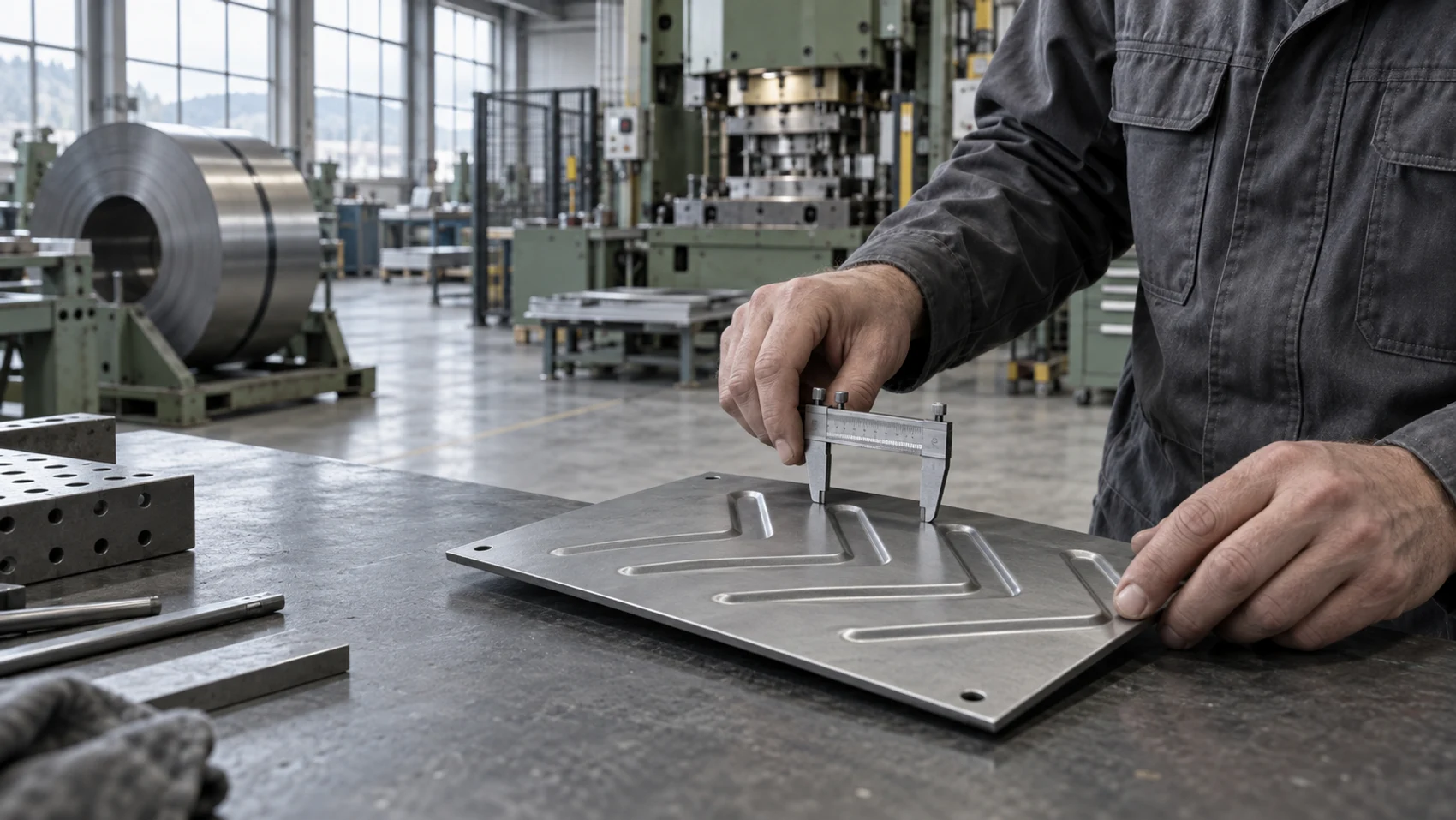
Electrode feasibility
Can a manufacturable carrier reach at least 0.20 Ah per gram of active iron, repeatedly, with parasitic hydrogen controlled? Published iron-air research shows flat iron sheets have limited practical reversible capacity; high-performance electrodes rely on increased active surface area and engineered microstructure.
System feasibility
Can the complete carrier exceed roughly 100 Wh/kg, and can the complete system reach or exceed roughly 40% round-trip efficiency including auxiliaries? Does the preservation cycle materially improve 90- and 180-day retention?
Economic feasibility
Is there a credible path toward 10–15 currency per kWh of carrier-system capacity at scale? And do target regional use cases remain economically sensible once handling, transport and processing energy are honestly accounted?
Freedom to operate
Can the architecture be built through design-around or licensing without infringing active metal-air patents? Patent analysis is a running workstream, not a conclusion.
- 01
Iron utilization
Can a manufacturable carrier reach ≥0.20 Ah/g active Fe repeatedly?
- 02
Carrier density
Can the complete carrier exceed ~100 Wh/kg?
- 03
Round-trip efficiency
Can the complete system reach or exceed ~40% including auxiliaries?
- 04
Hydrogen
Can parasitic hydrogen be controlled?
- 05
Preservation
Does the preserve cycle materially improve 90/180-day retention?
- 06
Cost
Is there a credible path toward ≤10–15 currency/kWh carrier-system capacity at scale?
- 07
Logistics
Can target regional use cases remain economically sensible after handling and transport?
- 08
Freedom to operate
Can the architecture be built through design-around or licensing without infringing active metal-air patents?
- Concept architectureDefined
- FEC-1 envelopeIn development
- ElectrodeIn research
- PreservationIn research
- Full-cycle prototypeNot yet validated
- Commercial certificationNot yet started
Stated plainly, updated as evidence arrives. Development targets are not measured performance.
Can a movable iron energy carrier actually work?
Scientific feasibility. Economic model. Competitive landscape. Patent and FTO risk. The kill criteria. The difficult findings are included—credibility is the point.
Download PDFIron-air battery technology
Fixed utility-scale 100-hour iron-air storage: external evidence the chemistry can work as a system. A different architecture and timescale from a removable Fairlight carrier—not validation of Fairlight.
Photovoltaic Geographical Information System
Site-specific solar resource exploration. The chart on this website is illustrative, not a PVGIS simulation.
Electricity 2026
Context on storage in electricity systems. Fairlight-specific performance has not been established.
Explore the detail.
Version 0.1 documents are prepared for a future public release. Contact Fairlight for publication updates.
FEC-1 Development Standard
The proposed carrier envelope and interface framework.
v0.1 · Awaiting public releaseAsk about this documentResearch & Validation Plan
The experimental programme and reporting approach.
v0.1 · Awaiting public releaseAsk about this documentPreliminary Safety & Hazard Framework
Development-stage hazards and validation priorities.
v0.1 · Awaiting public releaseAsk about this documentCarrier Passport & Open Ledger Protocol
Physical identity, revision history and lifecycle records.
v0.1 · Awaiting public releaseAsk about this documentExchange Custody & Energy Certification Protocol
The proposed relationship between custody and energy state.
v0.1 · Awaiting public releaseAsk about this documentFEC Governance & Licensing Principles
Proposed governance and principles for participation.
v0.1 · Awaiting public releaseAsk about this documentPublic Technical Whitepaper
The seasonal storage thesis and development architecture.
v0.1 · Awaiting public releaseAsk about this document