Poor capital utilization
A seasonal-only carrier earns once, then waits. The processing asset and the inventory both sit idle.
An illustrative principle. Fairlight does not present a measured LCOS.
A standardized carrier is designed to connect surplus, storage and demand across different places and owners. The carrier network comes first; any single application is just one job it can do.
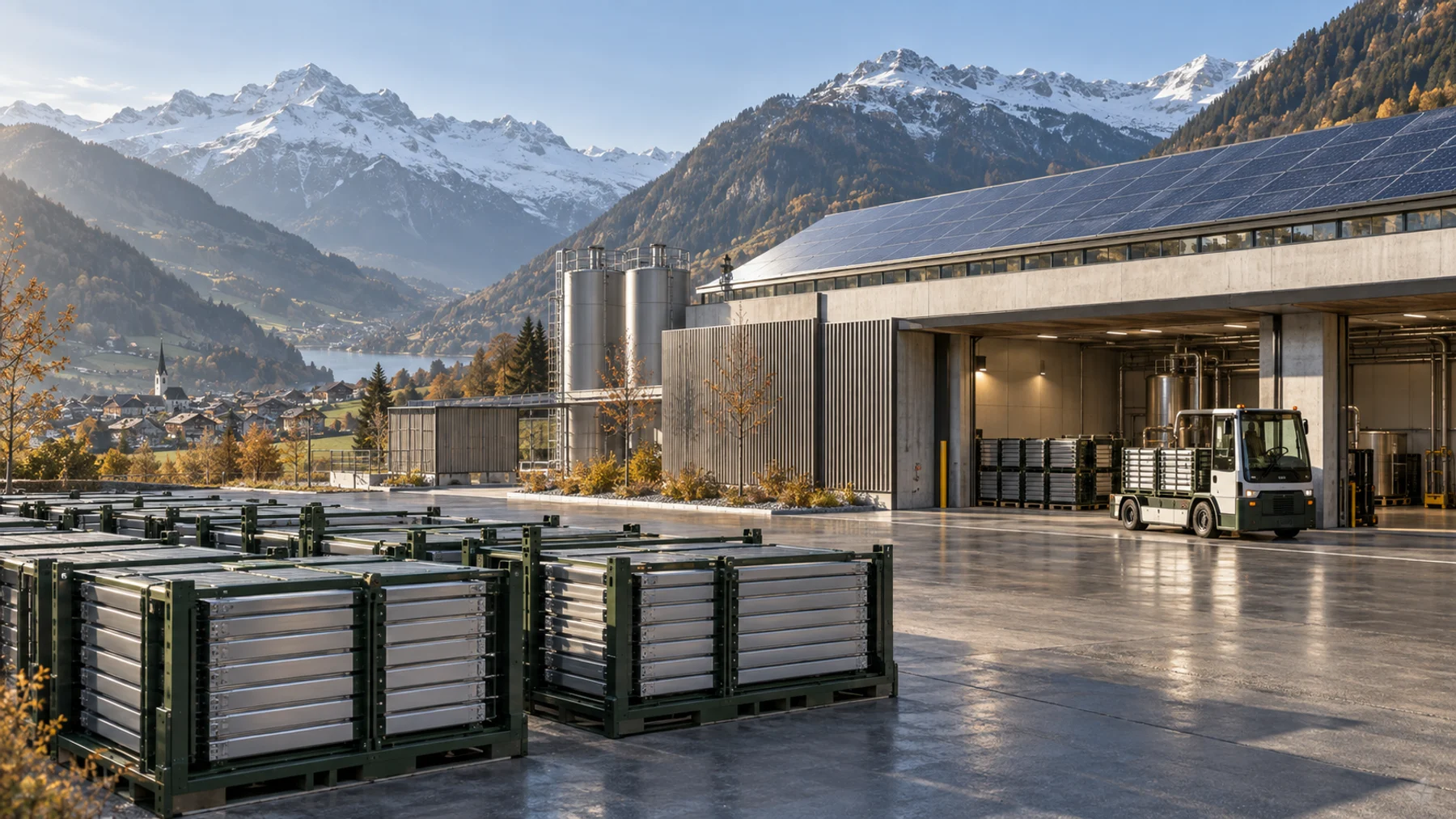
A physical standard could separate who generates energy, who owns the carrier and where the energy is used.
A solar producer could charge carrier inventory owned by someone else.
Explore Fairlight Exchange ↗Future operating concepts, not available services. Certification, settlement, safety and commercial viability remain to be established.
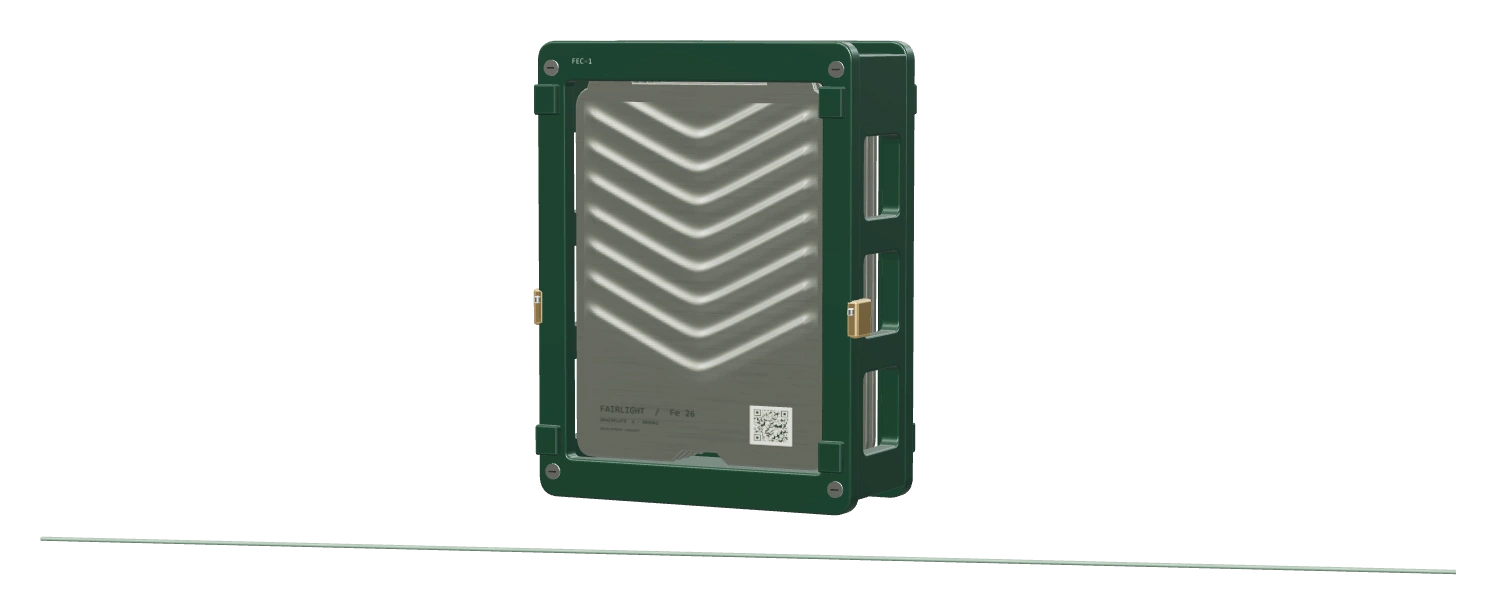
Surplus production near a source of low-value or curtailed energy.
A proposed operating model. Fairlight Exchange is not yet a trading or transport service.
Moving energy only makes sense when the value exceeds the logistics. Fairlight is designed for local and regional exchange, not for replacing transmission lines with trucks.
Economic development hypothesis—not a product limit.
A seasonal-only carrier earns once, then waits. The processing asset and the inventory both sit idle.
An illustrative principle. Fairlight does not present a measured LCOS.
Current published iron-air system evidence. The objective is to improve the complete system, not just one electrode step.
Fairlight system efficiency: not measured yet. No 80% is implied.
Best early applications:
Weak initial use case: pure one-cycle-per-year household arbitrage.
That is why Fairlight is being designed as reusable energy inventory rather than a single-purpose household appliance.
Commercial solar surplus today. Use later this week.
Summer surplus. Winter demand.
Charge at one nearby site. Use at another.
Stored reserve held for outages and emergencies.
Displace expensive fuel or weak-grid supply.
A carrier that only cycles once each year is difficult to justify economically. Fairlight is therefore being developed for long dormancy and useful operation throughout the year.
We’re looking for the people who know how to turn a good physical idea into enduring infrastructure.